


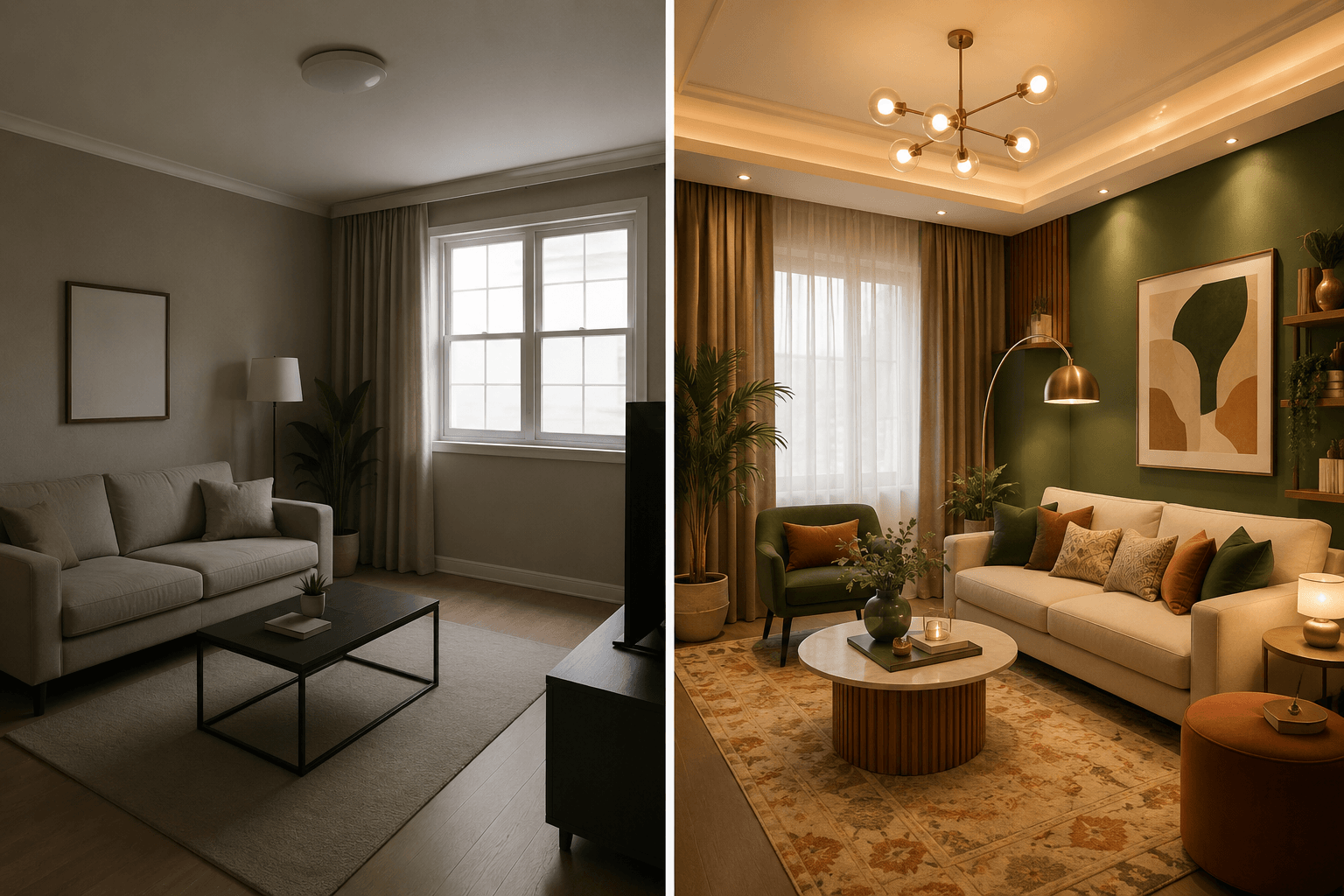
If you have ever stood in the middle of a room and felt like something was off but couldn’t say what, you already understand why so many people search for tips on how to be better at interior design mintpaldecor. Interior design is not just about buying nice furniture or picking a trendy color. It is about understanding space, light, proportion, and how people actually live in their homes. This guide walks through practical, real-world ideas that can help anyone, whether you’re decorating your first apartment or refreshing a home you’ve lived in for years.
Understanding the Basics of Interior Design
Many people also wonder how to be better at interior design mintpaldecor when they are simply trying to make a rented apartment feel more like home. The good news is that the same core principles apply no matter the size, budget, or ownership status of the space.
Before diving into techniques, it helps to understand what interior design actually involves. It’s the balance of function and beauty. A room can look stunning in photos but feel uncomfortable to live in if the basics are ignored. Good design starts with knowing how a space will be used day to day. Once you understand this, everything else, color, furniture, lighting, becomes easier to plan around. This foundational thinking is exactly where learning how to be better at interior design mintpaldecor begins for most beginners.
Why the Mintpaldecor Approach Works
The Mintpaldecor philosophy focuses on simplicity paired with intention. Instead of overwhelming a room with too many pieces or clashing styles, the approach encourages fewer, well-chosen elements that work together. This method appeals to people who want their homes to feel calm rather than cluttered. It also makes decision-making easier, since every choice is guided by a clear purpose rather than impulse.
Start With a Clear Vision
One of the biggest mistakes people make is shopping before planning. Walking into a furniture store without a vision often leads to mismatched pieces that don’t belong together. Instead, take time to think about the mood you want, cozy, minimal, bold, or airy. Write it down or create a simple mood board. This single step is one of the most repeated pieces of advice when people ask how to be better at interior design mintpaldecor, because vision keeps every future decision aligned.
Color Choices That Transform Spaces
Color has a bigger emotional impact than most people realize. Warm tones like terracotta and mustard tend to make rooms feel inviting, while cool tones like sage green or soft blue create calmness. A common trick is to choose one dominant color, one supporting color, and one accent color. Keeping the palette limited prevents a room from feeling chaotic while still allowing personality to shine through.
Furniture Placement and Flow
Furniture arrangement affects how a room feels more than most people expect. A sofa pushed against a wall might seem practical, but sometimes pulling it slightly forward creates better conversation areas and improves flow. Walking paths should never feel blocked. Leaving breathing room between pieces makes even small spaces feel larger. Anyone serious about how to be better at interior design mintpaldecor should spend extra time testing different furniture layouts before settling on one.
Lighting as a Design Tool
Lighting is often the most overlooked part of interior design, yet it changes everything. A room with only one overhead light can feel flat and uninviting, no matter how nice the furniture is. Layering light, ambient, task, and accent, adds depth and warmth. Floor lamps, table lamps, and even candles can soften harsh corners and highlight favorite pieces like artwork or plants.
Mixing Textures and Materials
Texture is what makes a room feel rich rather than flat. Combining materials like wood, linen, metal, and ceramic adds visual interest without needing extra color. A wooden coffee table paired with a woven rug and soft cotton cushions creates layers that feel intentional. This is a subtle but powerful technique, and it’s frequently mentioned by designers explaining how to be better at interior design mintpaldecor without spending a lot of money.
Budget-Friendly Design Tips
Good design doesn’t require a large budget. Small changes like rearranging existing furniture, adding fresh textiles, or repainting a single wall can transform a space dramatically. Thrifted or secondhand pieces often carry more character than mass-produced items. The key is prioritizing quality over quantity, choosing a few meaningful pieces instead of filling every corner with décor.
Common Mistakes to Avoid
Many rooms feel unfinished because of a few repeated errors. Hanging artwork too high, choosing rugs that are too small for the seating area, or ignoring scale between furniture pieces are common culprits. Another mistake is following trends blindly instead of choosing what actually suits the space and the people living in it. Avoiding these pitfalls is often the difference between a room that looks good and one that simply looks copied from a magazine.
Learning From Professional Designers
Professional designers rely on principles like balance, rhythm, and proportion, concepts that sound technical but are easy to apply once explained. Balance means distributing visual weight evenly across a room. Rhythm involves repeating colors or shapes to create harmony. Proportion ensures furniture fits the scale of the space. Studying these principles is a practical answer to how to be better at interior design mintpaldecor, since it moves decisions from guesswork to informed choices.
Personalizing Your Space
A well-designed room should still feel like the people who live in it. Family photos, travel souvenirs, or handmade items add warmth that generic décor can’t replicate. The goal isn’t to copy a showroom, it’s to create a space that feels personal while still following solid design principles. This balance between personality and structure is what separates a house from a home.
Sustainability in Modern Interior Design
More homeowners are now considering the environmental impact of their design choices. Choosing durable furniture over disposable trends, opting for natural materials, and repurposing older pieces are all part of a more sustainable approach. This shift is becoming a bigger part of conversations around how to be better at interior design mintpaldecor, as people increasingly value longevity over fast, throwaway decorating trends.
Practice and Patience
Interior design skills improve with practice, just like any other skill. Rearranging a room, testing new color combinations, or experimenting with layouts teaches more than reading alone ever could. Mistakes are part of the process, and even professional designers rarely get a room perfect on the first try. Patience allows a space to evolve naturally rather than feeling forced or rushed. This mindset shift is often what finally helps people understand how to be better at interior design mintpaldecor over the long term.
Bringing It All Together
Improving at interior design isn’t about memorizing rules, it’s about developing an eye for balance, comfort, and personal style. Start small, focus on one room or even one corner, and build confidence from there. Over time, choices that once felt overwhelming will start to feel natural. Anyone genuinely committed to learning how to be better at interior design mintpaldecor will find that consistency and curiosity matter far more than expensive purchases or perfect Pinterest boards.
FAQs about interior design mintpaldecor
Is interior design something anyone can learn, or does it require natural talent?
Interior design is a learnable skill. While some people have a natural eye for aesthetics, most design instincts develop through practice, observation, and understanding basic principles like color theory and proportion.
How much does it cost to redesign a room on a budget?
It depends on the scope, but small updates like new textiles, paint, or rearranged furniture can cost very little compared to a full renovation. Prioritizing a few impactful changes usually gives the best results for the money spent.
What is the biggest mistake beginners make in interior design?
Shopping without a plan is one of the most common mistakes. Buying furniture piece by piece without a clear vision often leads to a room that feels disconnected.
How important is lighting compared to furniture?
Lighting is just as important, sometimes more so. Poor lighting can make even beautifully furnished rooms feel cold or uninviting, while good lighting can elevate a simple space significantly.
Should I follow trends when designing my home?
Trends can offer inspiration, but they shouldn’t dictate every choice. Timeless design principles combined with personal touches usually age better than following short-lived trends.
How do I choose a color palette for my home?
Start with one dominant color, add a supporting neutral, and finish with an accent color. This keeps the space cohesive while still allowing room for personality.
Can small spaces still have great design?
Absolutely. Small spaces often benefit the most from thoughtful design, since smart furniture choices, mirrors, and lighting can make them feel larger and more functional.
How long does it usually take to fully design a room?
This varies widely depending on budget and scope, but most people see noticeable improvement within a few weeks of consistent small changes rather than waiting for one big transformation.
Do I need to hire a professional designer to improve my home?
Not necessarily. Many homeowners successfully improve their spaces through research, experimentation, and patience. Professional help is useful for larger projects, but everyday improvements are achievable independently.
