


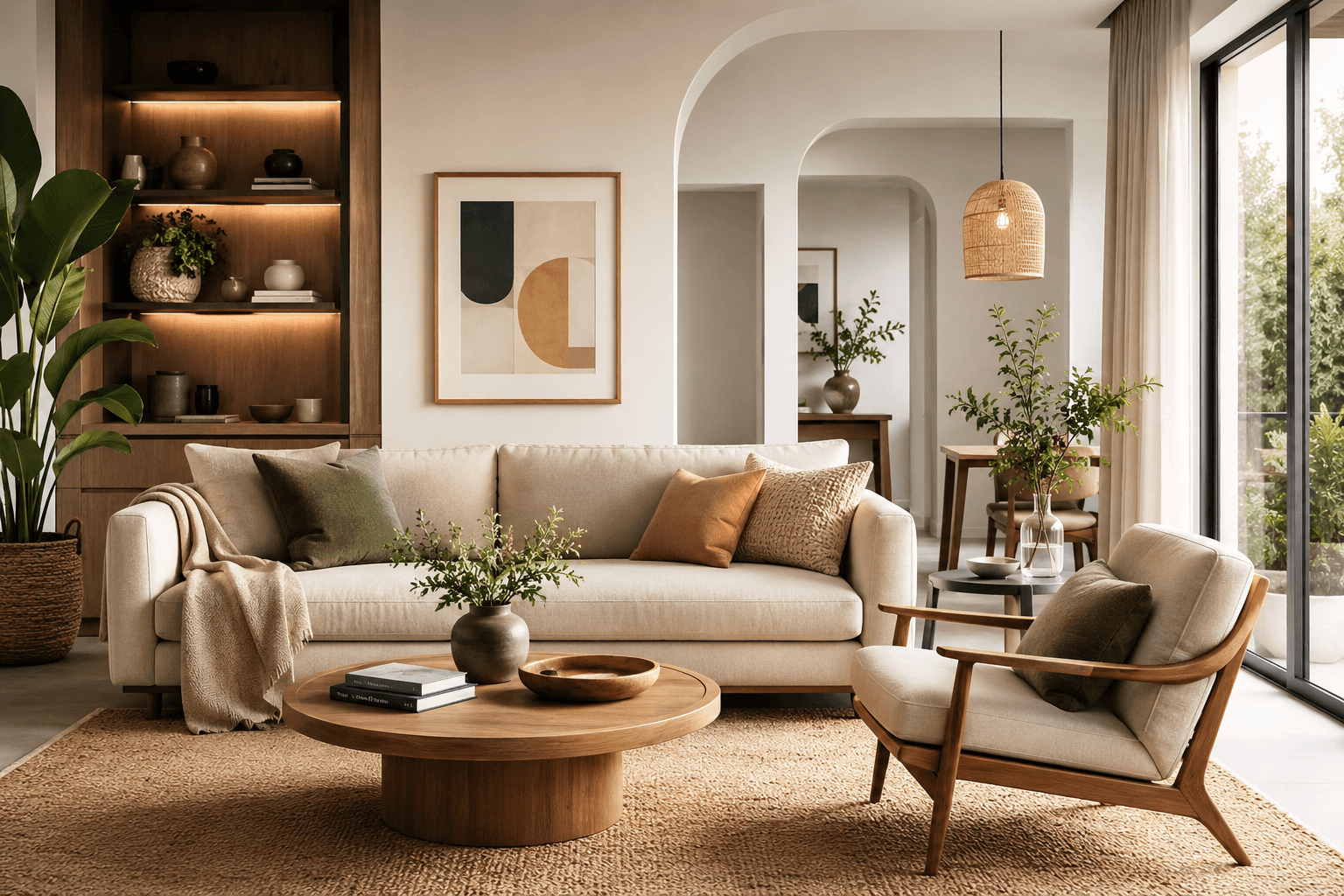
Decorating a home can feel overwhelming. Between endless paint swatches, furniture catalogs, and conflicting advice online, it’s easy to freeze up before you’ve even picked a throw pillow. This is exactly the gap that drhomey interior design tries to fill. Instead of chasing expensive trends or rigid rules borrowed from showrooms, it focuses on something simpler: making a home comfortable, functional, and personal without draining your bank account.
This guide walks through what the approach actually involves, why so many homeowners are drawn to it, and how you can apply its core ideas to your own space, room by room.
What Drhomey Interior Design Really Means
At its heart, drhomey interior design is less a strict style and more a mindset. It doesn’t tell you to paint your walls a specific shade or buy a particular brand of sofa. Instead, it gives you a framework for making decisions that suit how you actually live.
Think of it as the difference between decorating for a magazine photo and decorating for real life. A magazine-ready living room might look flawless, but if the coffee table is too fragile for your kids or the seating is too formal for movie nights, it isn’t serving you. This approach prioritizes usability first and aesthetics second, though it turns out the two usually end up working together anyway.
The Core Philosophy Behind the Approach
Every good design decision starts with a question: how will this room actually be used? A living room meant for hosting big family gatherings needs a completely different layout than one meant for quiet evenings with a book. Skipping this question is one of the most common reasons people end up with rooms that look nice in photos but feel awkward to live in.
The philosophy also insists that every piece of furniture earn its place. If a chair is beautiful but blocks the natural walking path through a room, it doesn’t belong there, no matter how much it cost. This isn’t about minimalism for its own sake. It’s about making sure nothing in your home works against you.
Comfort and function are treated as equally important as visual appeal. A stunning room that nobody wants to sit in has failed at its basic job. That single idea shapes almost every recommendation that follows.
Why This Style Has Become So Popular
Part of the appeal is accessibility. You don’t need a design degree, a huge budget, or a professional consultation to apply these ideas. Someone with five hundred dollars for a weekend refresh and someone planning a ten-thousand-dollar renovation can both use the same core principles, just at different scales.
There’s also a psychological angle that resonates with people. A cluttered, poorly lit, or badly arranged room can quietly affect your mood without you realizing why. Fixing small, practical issues, like adding a lamp where you actually read or clearing a countertop that’s become a dumping ground, often has an outsized impact on how a space feels day to day. That immediate, visible payoff is a big reason the concept has spread so quickly among renters, first-time homeowners, and busy parents alike.
Understanding the 60-30-10 Color Rule
One of the most practical tools associated with this way of thinking is a simple color formula. Sixty percent of a room should be your dominant color, usually the walls, a large rug, or a big piece of furniture like a sectional. Thirty percent should be a secondary color, often seen in curtains, an accent chair, or a bedspread. The remaining ten percent is reserved for accent colors, things like throw pillows, artwork, or small decorative objects.
This ratio prevents two common problems: a room that feels chaotic because too many colors compete for attention, and a room that feels sterile because everything matches too perfectly. It gives you enough structure to avoid mistakes while still leaving room for personality.
Before committing to a color scheme, it helps to test paint directly on your walls rather than relying on how it looks on a screen or a small swatch. Lighting in your specific room changes how a color reads far more than most people expect.
Layered Lighting: The Secret Most People Skip
You can buy the most expensive furniture available, but if the lighting is flat and uninviting, the room will still feel off. This is one area where drhomey interior design puts unusual emphasis, because lighting is so often treated as an afterthought.
The idea is to layer three types of light rather than relying on a single overhead fixture. Ambient lighting provides general illumination, think recessed lights or a central fixture. Task lighting is aimed at specific activities, like a reading lamp beside a chair or under-cabinet lighting in a kitchen. Accent lighting highlights features you want noticed, such as artwork or an indoor plant, using something like a wall sconce or a small uplight.
When these three layers work together, a room adapts to different moods and times of day instead of staying uniformly bright or uniformly dim. It’s a small shift that makes an outsized difference, and it rarely requires major electrical work to achieve.
Furniture Layout and Flow
Layout is where a lot of well-intentioned rooms go wrong. A common instinct is to push every piece of furniture flush against the walls, but this often makes a room feel more sparse and disconnected rather than spacious. Pulling a sofa even a few inches away from the wall can make a small living room feel noticeably more intentional.
Rugs are another frequent stumbling block. A rug that’s too small makes furniture look like it’s floating awkwardly in the middle of the room. The general guideline is that the front legs of your major seating pieces should rest comfortably on the rug, tying the whole seating area together visually.
Texture matters just as much as layout. Mixing materials, a leather chair next to a velvet sofa, or a chunky knit throw draped over a smooth surface, adds depth that flat, single-material rooms usually lack. None of this requires new furniture. Often it just means rearranging what you already own.
Applying Drhomey Interior Design Room by Room
The living room is typically the social center of a home, so its layout should encourage conversation while keeping walking paths clear. Furniture arranged in a loose circle or an L-shape tends to work better for conversation than pieces lined up against opposite walls.
Kitchens benefit from ruthless prioritization of function. Clear countertops, smart use of vertical storage, and cabinets that extend to the ceiling all make a kitchen feel calmer and more efficient, even if the square footage hasn’t changed.
Bedrooms tend to respond well to softer, warmer lighting and a simplified color palette, since this is the room most associated with rest. Bathrooms, often the smallest and most overlooked spaces, can be transformed with small updates like new hardware or better task lighting near the mirror, without touching a single tile.
Applying drhomey interior design across an entire home doesn’t mean tackling every room at once. Most people see the best results by focusing on one space, seeing it through, and then moving to the next.
Budget-Friendly Ways to Get the Look
You don’t need a large budget to see meaningful change. Sometimes the most effective move is simply shopping your own home, moving a rug from the bedroom to the living room, for instance, so it feels new without costing anything. Swapping cabinet hardware, adding peel-and-stick wallpaper in a rental, or repainting an old dresser can transform a piece for under fifty dollars.
Renters in particular benefit from this mindset, since many of these changes are reversible. Tension rod shelving, removable wallpaper, and furniture rearrangement don’t risk a security deposit the way painting or drilling might.
Small, visible wins also tend to build momentum. Finishing one manageable project, like fixing a wobbly shelf or repainting a single accent wall, often motivates people to keep going, while overly ambitious projects are more likely to stall halfway through.
Common Mistakes to Avoid
One frequent misstep is skipping preparation work in favor of a quick fix. Painting kitchen cabinets without properly degreasing and sanding them first is a classic example. No amount of “no-prep” primer can substitute for that step, and skipping it usually means the paint peels within months.
Another common error is buying furniture before deciding how a room will function. This leads to beautiful pieces that don’t actually fit the space or suit how the room gets used day to day. Similarly, relying on a single light source instead of layering different types of lighting is an easy trap that leaves otherwise well-decorated rooms feeling flat.
Clutter is a quieter but equally damaging mistake. When every surface holds something, a room feels chaotic even if the furniture and colors are well chosen. Creating small designated zones, a drop spot by the entryway for shoes and keys, or a specific shelf for mail, prevents mess from spreading into the rest of the house.
How This Approach Compares to Other Design Trends
Unlike design philosophies that demand a complete aesthetic commitment, whether that’s strict minimalism, maximalist eclecticism, or a specific era-based style, this approach borrows practical elements from wherever they’re useful. It doesn’t require you to get rid of sentimental items to achieve a “clean” look, nor does it push you toward buying more just to fill space.
It also differs from purely trend-driven advice, which often changes every season and can leave a home feeling dated within a few years. Because the underlying principles focus on function, proportion, and comfort rather than specific colors or products, they tend to stay relevant regardless of what’s currently popular.
Final Thoughts
At its core, this approach is about closing the gap between how a home looks and how it actually feels to live in. It doesn’t require expensive renovations, professional training, or a complete overhaul of your existing furniture. It simply asks you to think a little more intentionally about color balance, lighting, layout, and function before making decisions.
Whether you’re working with a tight rental budget or planning a larger renovation, these principles scale to fit your situation. Start with one room, apply the ideas that make sense for your space, and build from there. Over time, small, thoughtful changes tend to add up to a home that feels genuinely well put together.
Frequently Asked Questions
Is drhomey interior design a specific brand or style?
It’s better understood as a practical framework or set of principles rather than a fixed aesthetic. It focuses on function, comfort, and smart use of color and lighting rather than a single defined look.
Do I need a big budget to apply these ideas?
No. The core principles work at almost any budget level, from a weekend refresh using items you already own to a full room renovation. The emphasis is on smart decisions rather than expensive purchases.
What is the 60-30-10 rule mentioned in this approach?
It’s a color distribution guideline where sixty percent of a room uses a dominant color, thirty percent a secondary color, and ten percent accent colors. It helps rooms feel balanced instead of chaotic or overly matched.
Why is lighting given so much attention?
A room can have great furniture and colors but still feel flat or uninviting without proper lighting. Layering ambient, task, and accent lighting creates a more functional and welcoming atmosphere at any time of day.
Can renters use these design principles without risking their deposit?
Yes. Many recommended changes, like rearranging furniture, using peel-and-stick wallpaper, or swapping hardware while keeping the originals, are reversible and low-risk for rental spaces.
How do I know if a piece of furniture belongs in a room?
Ask whether it serves a real purpose and whether it makes the room easier or harder to use. If a piece blocks natural movement through a space or doesn’t get used, it’s worth reconsidering its placement.
Is this approach only useful for living rooms, or does it apply to the whole house?
It applies to any room, including kitchens, bedrooms, and bathrooms. The specific priorities shift slightly by room, but the underlying focus on function, color balance, and lighting stays consistent throughout the home.
