


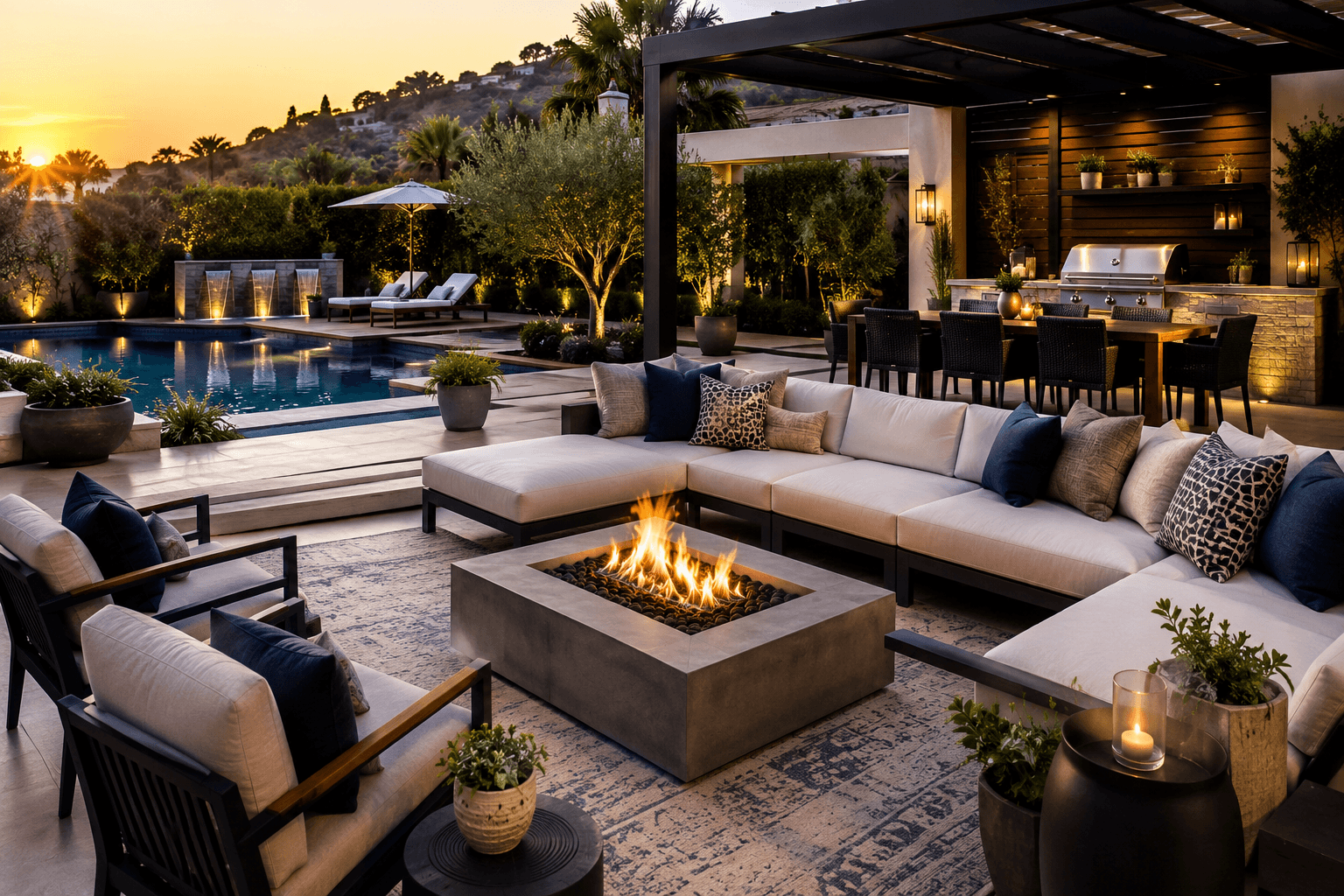
Over the past decade, homeowners have started treating their patios, decks, and backyards as extensions of their indoor living rooms. This shift has made outdoor living furniture one of the most searched and purchased categories in home improvement. People no longer see the backyard as just a place to mow grass or park a grill. Instead, it has become a space for relaxing, entertaining, and even working remotely on pleasant days.
The reason behind this trend is simple. Spending time outside has proven benefits for mental health, and comfortable seating makes that time enjoyable rather than something you rush through. Whether it’s a small balcony or a sprawling backyard, the right furniture turns an empty space into a functional retreat.
What Exactly Counts as Outdoor Living Furniture
Outdoor living furniture refers to any furniture designed specifically to withstand exposure to the elements while still offering comfort and style. This includes sofas, dining sets, lounge chairs, coffee tables, hammocks, daybeds, and even outdoor kitchen islands. Unlike indoor furniture, these pieces are built using materials that resist moisture, UV rays, and temperature swings.
The category has expanded significantly in recent years. What used to be limited to plastic chairs and folding tables now includes deep-seated sectionals, fire pit tables, and modular pieces that rival indoor furniture in both looks and comfort. This evolution reflects how seriously people now take their outdoor spaces.
Common Materials Used in Outdoor Furniture Design
Material choice plays a huge role in how long a piece lasts and how it performs in different climates. Teak wood is one of the most popular choices because of its natural oil content, which helps it resist rot and insects without much maintenance. It also develops an attractive silver-grey patina over time if left untreated.
Aluminum is another favorite, especially for people who want lightweight yet sturdy pieces. It doesn’t rust, making it ideal for coastal areas with salty air. Wicker and rattan, often made from synthetic resin these days, offer a classic look while resisting fading and cracking better than their natural counterparts.
Then there’s HDPE (high-density polyethylene), a recycled plastic material that’s become popular for its durability and eco-friendly appeal. Cushions made from solution-dyed acrylic fabric are also common, as they resist mold, mildew, and sun damage far better than standard cotton or polyester.
Choosing the Right Outdoor Living Furniture for Your Space
Before buying anything, it helps to think about how the space will actually be used. A small balcony might only need a compact bistro set, while a large backyard could support a full sectional, dining area, and separate lounge zone.
Measuring the space beforehand prevents the common mistake of buying furniture that’s too bulky or doesn’t leave enough walking room. It’s also worth considering the direction your patio faces, since furniture in direct sunlight all day will fade faster than pieces placed in partial shade.
Style matters too, but comfort should never be sacrificed for looks. Sitting in a beautiful chair that feels stiff after twenty minutes defeats the purpose of creating a relaxing outdoor area. Testing furniture in person, when possible, gives a better sense of comfort than photos alone.
Weather Resistance and Durability Factors
One of the biggest differences between indoor and outdoor pieces is how they handle weather. Good outdoor living furniture is engineered to survive rain, humidity, direct sun, and even snow in colder regions without warping, cracking, or losing color.
Powder-coated metal frames resist rust far better than untreated metal. Cushion covers with water-repellent coatings prevent moisture from soaking in, which reduces mold growth. Even the stitching and thread type matter, since regular thread can rot faster than UV-resistant polyester thread used in higher-quality products.
Climate should guide material choice as well. Homes in humid or coastal regions benefit most from aluminum, resin wicker, or teak, while drier climates offer more flexibility since furniture there faces less moisture-related wear.
Style Options That Fit Different Outdoor Themes
Outdoor spaces today reflect just as much personality as indoor rooms. Modern minimalist setups often use clean-lined aluminum frames paired with neutral cushions. Rustic or farmhouse-style yards tend to favor natural wood tones and woven textures.
Coastal-themed spaces usually incorporate lighter colors, rope details, and rattan pieces that echo a beachy feel. Meanwhile, industrial-style patios might combine metal frames with weathered wood accents for a raw, functional look. If you appreciate the clean, functional design of outdoor spaces, you may also enjoy learning about the timeless architecture of a ranch style house, which often features spacious patios and seamless indoor-outdoor living that pair perfectly with quality outdoor living furniture.
Choosing a theme early makes it easier to select outdoor living furniture that feels cohesive rather than mismatched. It also helps when adding accessories like planters, lighting, or rugs later, since everything ties together more naturally.
Maintenance Tips to Extend the Life of Your Furniture
Even the most durable furniture benefits from basic upkeep. Wiping down surfaces regularly prevents dirt and pollen from building up, which can trap moisture against the material. For wood pieces like teak, an occasional application of teak oil helps maintain color, though many owners prefer letting it weather naturally.
Cushions should be stored indoors or covered during long periods of rain to prevent mildew. Metal frames benefit from a quick rinse after storms, especially in areas near the ocean where salt residue can accelerate corrosion.
Investing in furniture covers is one of the simplest ways to protect your investment during off-seasons. A little routine care goes a long way in keeping outdoor living furniture looking new for years instead of fading within a single season.
Budget Considerations When Shopping for Outdoor Furniture
Pricing in this category varies widely depending on material, brand, and craftsmanship. Entry-level plastic or basic metal sets are the most affordable option and work well for temporary setups or rental properties. Mid-range options, often featuring powder-coated aluminum or resin wicker, balance durability with reasonable pricing.
High-end pieces, particularly those made from solid teak or featuring designer cushions, come with a higher price tag but often last significantly longer. It’s worth thinking of outdoor furniture as a long-term investment rather than a one-time purchase, since quality pieces can last a decade or more with proper care.
Shopping during off-season sales, typically in late fall, often results in significant savings compared to buying during peak spring and summer demand.
Space Planning and Layout Ideas
Good layout planning makes even a modest space feel functional and inviting. Creating distinct zones, such as a dining area separate from a lounge area, helps larger yards feel organized rather than cluttered.
For smaller spaces, multipurpose pieces work best. A storage bench that doubles as seating, or a coffee table with a built-in cooler, maximizes function without adding visual bulk. Leaving enough clearance for walking paths, generally around three feet, keeps the area from feeling cramped.
Positioning outdoor living furniture near natural focal points, like a fire pit or a scenic view, naturally draws people to gather there. Lighting also plays a role, since well-lit seating areas get used more often after sunset. Many homeowners with a ranch style house create multiple outdoor zones, such as dining, lounging, and entertainment areas, making it easier to maximize both comfort and functionality throughout the property.
Sustainability in Outdoor Furniture Manufacturing
Environmental awareness has started influencing how outdoor furniture is made. Many manufacturers now use recycled aluminum or reclaimed teak sourced from sustainably managed forests. HDPE lumber, often made from recycled milk jugs and plastic bottles, has become a popular eco-conscious alternative to traditional wood.
Some brands also focus on reducing packaging waste and using low-impact dyes for cushion fabrics. For buyers who care about environmental footprint, checking for certifications related to sustainable sourcing can help guide purchasing decisions.
This growing focus on sustainability hasn’t come at the cost of style or durability, which is encouraging for anyone trying to make more responsible choices without sacrificing quality.
Final Thoughts on Building Your Outdoor Living Space
Creating a comfortable outdoor area doesn’t happen overnight, and it doesn’t require an unlimited budget either. It starts with understanding your space, choosing materials suited to your climate, and selecting pieces that match how you actually plan to use the area.
Whether you’re furnishing a cozy balcony or a full backyard retreat, thoughtful outdoor living furniture choices can transform an underused space into one of the most valuable parts of your home. With the right combination of comfort, durability, and style, your outdoor space can become a place you genuinely look forward to spending time in, season after season.
Whether you’re furnishing a cozy balcony or a spacious backyard, investing in quality outdoor living furniture can transform your outdoor area into a comfortable and stylish retreat. For additional information about patios and their role in residential design, you can explore this guide on patios, which explains their history, design, and common uses.
Frequently Asked Questions
What is the most durable material for outdoor furniture?
Teak and powder-coated aluminum are generally considered the most durable options, since they resist rot, rust, and fading better than most alternatives.
How often should outdoor cushions be replaced?
With proper care and storage, quality cushions typically last three to five years before fading or fabric wear becomes noticeable.
Can outdoor furniture stay outside all year round?
It depends on the material and climate. Aluminum and resin wicker can generally stay out year-round, while wood and cushioned pieces benefit from seasonal covering or storage.
Is wicker furniture actually weatherproof?
Natural wicker is not weatherproof, but synthetic resin wicker is designed to resist rain, sun, and temperature changes much better.
What’s the best way to clean outdoor furniture?
Mild soap, warm water, and a soft brush work well for most materials. Avoid harsh chemicals, which can damage protective coatings over time.
How do I choose furniture size for a small patio?
Measure the space first, then look for compact or modular outdoor living furniture that leaves enough room for comfortable movement.
