
Technology changes so quickly that most people don’t have time to keep up with every new gadget, app, or smart home upgrade. That’s exactly the gap that Tech TheHomeTrotters.com tries to fill. It’s a content platform built around one simple idea: technology should be easy to understand, no matter how much or how little experience someone has with it.
This article walks through what the site covers, how it approaches its content, and why it has become a go-to reference for readers who want practical tech guidance instead of jargon-heavy articles that leave them more confused than before.
What Is Tech TheHomeTrotters.com
At its core, Tech TheHomeTrotters.com is an online resource focused on consumer technology, with a strong emphasis on smart home devices. The site brings together news updates, gadget reviews, and step-by-step guides in one place, so readers don’t have to bounce between a dozen different sources to get a full picture of a product or trend.
What sets it apart from a typical tech news feed is the tone. Instead of writing for engineers or early adopters only, the content is written in plain language. A reader who has never set up a smart thermostat before can follow along just as easily as someone who already has a house full of connected devices.
The Kind of Content You’ll Find There
The site is organized around a handful of recurring content types. There are news pieces covering product launches and industry shifts, hands-on style reviews of gadgets and electronics, and how-to guides that walk through common setup or troubleshooting tasks. Buying guides round things out, helping readers compare similar products before they spend money on something that might not fit their needs.
This mix matters because tech content usually falls into one of two traps. Either it’s too promotional, reading like an advertisement for whatever product is being discussed, or it’s too technical, burying the useful information under specs and acronyms. Tech TheHomeTrotters.com tries to stay in the middle ground, giving readers enough detail to make an informed decision without overwhelming them.
How Tech TheHomeTrotters.com Approaches Smart Home Technology
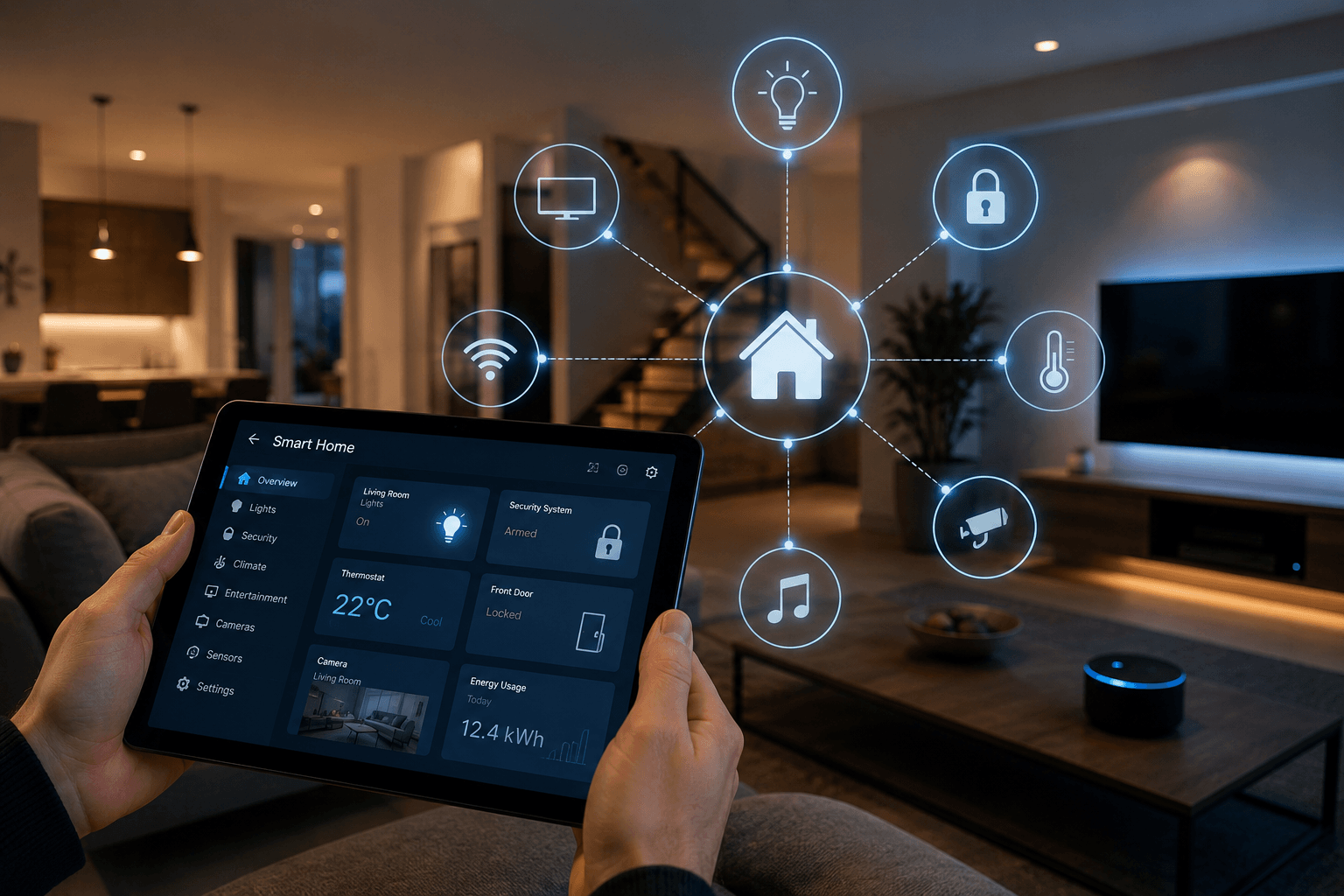
Smart home technology gets a lot of attention on the site, and for good reason. Home automation has moved from a niche hobby to something a large share of homeowners are actively interested in. Devices like smart thermostats, video doorbells, connected lighting, and voice assistants are no longer considered luxury items. Just as homeowners look for reliable advice when maintaining indoor and outdoor spaces through resources like Mandevilla Care in Pots, they also benefit from practical guidance when building a smarter home.
The coverage tends to focus on how these devices fit into everyday life rather than just listing their features. A guide about smart thermostats, for example, might explain how the device learns a household’s routine and adjusts temperature settings automatically, rather than simply stating that it “supports scheduling.” That kind of practical framing helps readers understand what a purchase will actually change about their daily routine.
Compatibility is another recurring theme. Smart home ecosystems can be fragmented, with some devices working only within specific platforms like Google Home, Amazon Alexa, or Apple HomeKit. Articles on the site often walk through these compatibility questions before diving into individual product recommendations, which saves readers from buying something that won’t work with the system they already have.
Gadget Reviews and Buying Guides
Reviews are one of the more heavily used sections of the site, and they tend to follow a consistent structure. Rather than just praising a product, the reviews usually cover real-world performance, common drawbacks, and how a device compares to similar options on the market. That comparison element is especially useful for readers who are trying to choose between two or three products rather than deciding whether to buy something at all.
Buying guides take a slightly different approach, often grouping products by budget or use case instead of reviewing a single item in isolation. Someone looking for an affordable security camera setup, for instance, might find a guide that compares several budget-friendly options side by side, along with notes on what each one does well and where it falls short.
This structure reflects a broader pattern seen across the platform. Content isn’t just about announcing what exists; it’s about helping someone decide what’s actually worth their time and money.
Why Simplicity Matters in Tech Writing
A lot of technology writing assumes the reader already understands the basics, which can make even simple topics feel intimidating. Tech TheHomeTrotters.com takes a different stance, treating clarity as a priority rather than an afterthought.
This shows up in small but meaningful ways. Technical terms are usually explained the first time they appear. Instructions are broken into clear steps instead of long paragraphs. Comparisons are framed in terms of everyday benefits, like saving money on energy bills or reducing the number of apps needed to manage a home, rather than abstract technical advantages.
This approach matters because the audience for tech content isn’t limited to enthusiasts. Plenty of readers are simply trying to solve a specific problem, like fixing a slow Wi-Fi connection or figuring out which streaming device to buy, and they need answers that don’t require a background in computer science to follow.
Staying Current With Trends
Technology doesn’t stand still, and neither does the content on the site. Coverage tends to track ongoing shifts in the industry, from the rollout of new wireless standards to the growing role of artificial intelligence in everyday devices. Voice assistants, for example, have moved well beyond simple commands and are increasingly used to manage entire households, and that evolution gets reflected in how the topic is covered over time.
Energy efficiency is another area that comes up repeatedly. As more households look for ways to cut utility costs, smart devices that automatically adjust based on usage patterns have become a bigger focus. Articles addressing this topic usually pair practical setup advice with a broader explanation of why the trend is gaining traction in the first place.
Keeping pace with these shifts is part of what keeps the content useful rather than outdated. A guide written without regard for current trends can quickly become irrelevant in a space that moves as fast as consumer technology does.
Building a Community Around Tech
Beyond the articles themselves, there’s an emphasis on reader interaction. Comment sections and social channels give readers a way to ask follow-up questions, share their own experiences with a product, or flag issues that a review might not have covered. This kind of feedback loop can be valuable, since real-world use often reveals quirks that don’t show up during a short testing period.
This community angle also helps newer readers. Someone unfamiliar with smart home setups can often find answers to specific questions by reading through comments left by others who ran into the same issue, which adds a layer of practical knowledge beyond what’s in the original article.
Tips for Getting the Most Out of the Site
Readers who want to get the most value out of the platform generally benefit from a few habits. Reading full reviews rather than skimming headlines tends to surface details that matter for a purchase decision, like battery life under real conditions or how well a device performs after a few months of use rather than right out of the box.
Comparing multiple articles on similar products can also help, since buying guides often highlight trade-offs that a single review might not fully explore. The same approach applies to home improvement topics, where detailed resources such as Mandevilla Care in Pots provide practical, step-by-step advice that helps readers make better decisions.
The Future of Smart Home Content
Smart home technology is expected to keep expanding, with devices becoming more interconnected and less dependent on manual input. Instead of separate apps for lighting, security, and climate control, the trend is moving toward unified systems that manage multiple devices from a single interface.
As that shift continues, the kind of guidance offered by sites like Tech TheHomeTrotters.com becomes more relevant, not less. New categories of devices tend to bring new setup challenges and compatibility questions, and readers benefit from having a source that explains these changes in plain terms rather than assuming prior expertise.
Final Thoughts
Technology doesn’t have to be intimidating, and that’s really the takeaway here. What makes this platform worth bookmarking isn’t flashy design or an overwhelming volume of content it’s the consistent effort to make smart home and gadget information usable for real people, not just early adopters. As connected devices continue to become a bigger part of everyday life, understanding concepts like the Internet of Things (IoT) helps readers make more informed decisions about the technology they bring into their homes.
Whether someone is trying to pick their first smart thermostat, compare security cameras on a budget, or simply keep up with where the industry is headed, having a source that explains things clearly saves both time and money. That’s the real value here: fewer wasted purchases, fewer confusing setup guides, and a little more confidence every time a new piece of tech shows up in the house.
Frequently Asked Questions
What is Tech TheHomeTrotters.com used for?
It’s primarily used as a reference for tech news, gadget reviews, and smart home guidance, helping readers compare products and understand new technology before making a purchase.
Is the content on Tech TheHomeTrotters.com aimed at beginners or experts?
It’s written to be accessible to both. Technical terms are explained clearly, which makes it approachable for beginners, while the depth of the reviews and comparisons still offers value to more experienced readers.
Does Tech TheHomeTrotters.com only cover smart home devices?
Smart home technology is a major focus, but the site also covers broader tech topics like gadget reviews, software tips, and general troubleshooting guides.
How often is content updated?
Given how quickly the tech industry moves, content is refreshed regularly to reflect new product releases, pricing changes, and shifts in what’s considered current best practice.
Can readers interact with the platform beyond reading articles?
Yes. Comment sections and social channels allow readers to ask questions, share their own experiences, and get additional context that goes beyond what’s covered in a single article.
